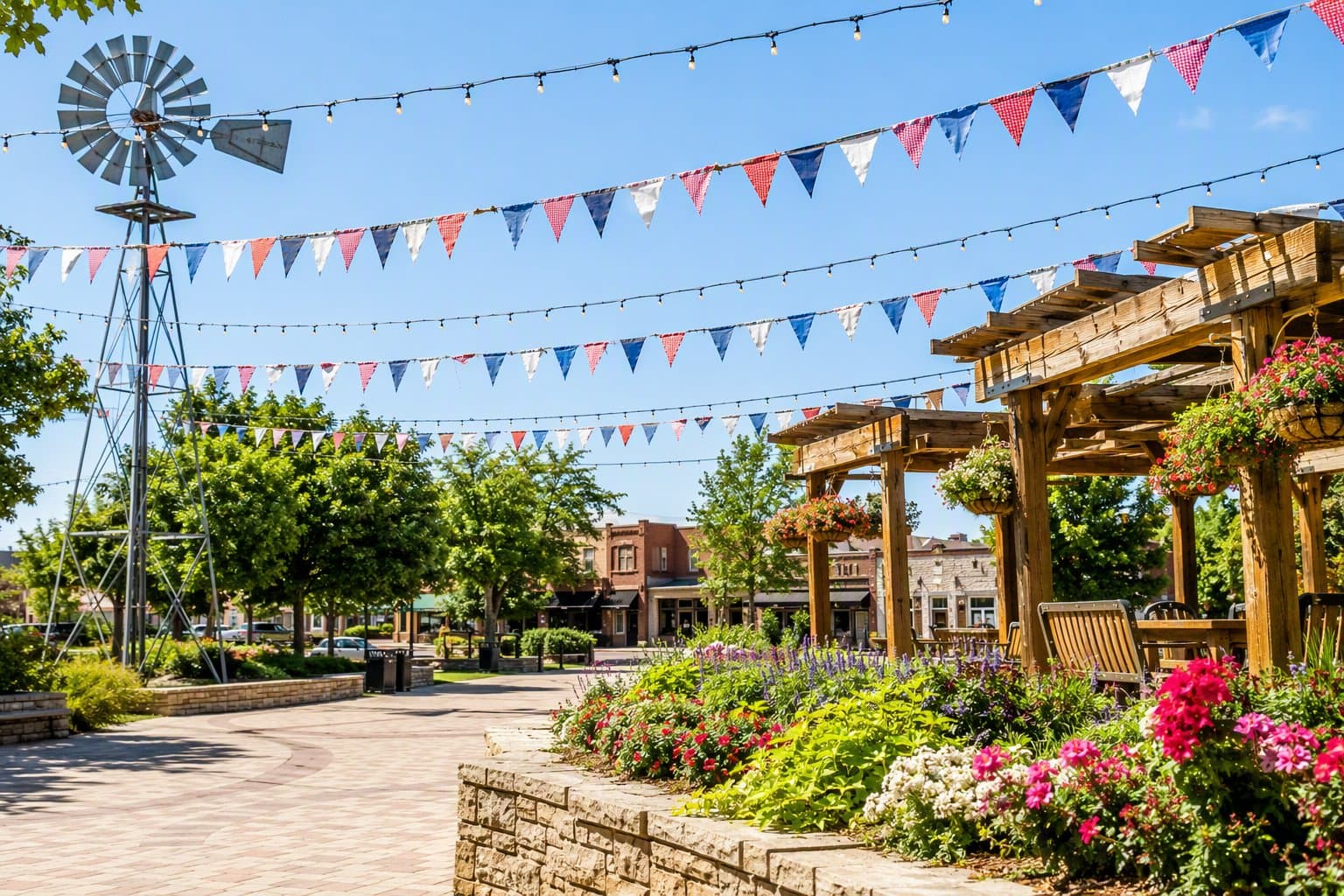
North Texas has fundamentally altered the traditional American suburb by transforming into a primary center for economic and political influence. Cities such as Plano, Frisco, Irving, and McKinney have moved beyond their historical role as residential outposts for central cities. Instead, they have leveraged their location within the region's sprawl to become independent power centers that draw corporate investment and job creation.
This shift represents a broader trend in 21st-century metropolitan development, often described as a Sun Belt model. Prosperity in these areas extends well beyond urban cores, with regions like North Texas serving as a blueprint for other fast-growing parts of the country.
From Atlanta to Phoenix, metropolitan areas are increasingly organized around thriving suburbs that now compete with downtown districts as hubs for commerce and culture.
Plano stands as a notable example of this transformation. The city recently secured AT&T’s planned global headquarters and is set to host the future home of the Dallas Stars hockey team. These developments highlight the area’s capacity to attract major institutions.
Former Mayor Harry LaRosiliere attributed this appeal to the availability of space and opportunity, contrasting suburban living with city life. He noted that the American dream often involves homeownership and family space, which he argued is more accessible in these expanding communities.
Demographic data supports the region's rapid expansion. According to the U.S. Census Bureau, Collin County added more residents between 2024 and 2025 than all but one other county in the nation. In contrast, Dallas County experienced a population decline. Four of the five fastest-growing U.S. cities with populations of at least 20,000 were located in Collin County during this period.