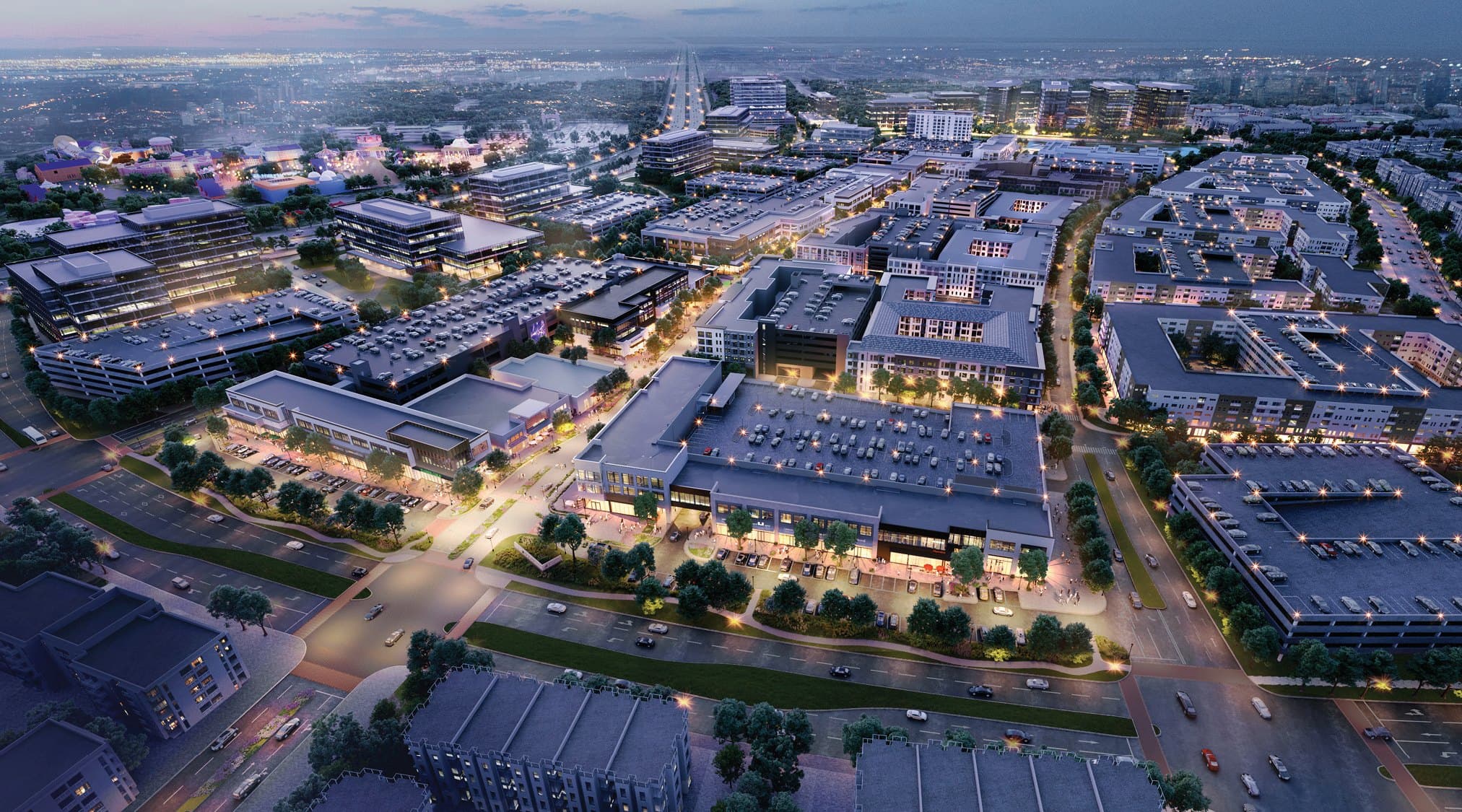
Dallas is about 18 miles south of Plano. Five major United States cities have been excluded from the list of venues for the 2026 FIFA World Cup, leaving residents and fans in those areas without local matches despite the tournament's massive economic potential.
While destinations such as Los Angeles, Miami, and Dallas are expected to receive significant financial benefits from thousands of international visitors, other municipalities either withdrew from consideration or lacked facilities that met the governing body's strict standards.
Washington, D.C., faces a primary obstacle regarding infrastructure rather than interest. Although the capital has seen increased activity this summer due to planned celebrations for the nation's anniversary, it lacks a stadium capable of handling the event's scale. Northwest Stadium, located in Maryland and serving as the home for the Washington Commanders, presents logistical challenges related to public transit and lodging.
Meanwhile, Audi Field, which hosts D.C. United, has a maximum capacity of only 20,000 seats, falling short of the requirements for World Cup matches.
Las Vegas, despite its rapid growth as a sports tourism hub and the addition of NFL and NHL franchises, also missed out on hosting duties. The city’s Allegiant Stadium was considered a likely candidate but fails to meet FIFA regulations because its retractable grass field tray is too narrow to allow for the necessary pitch dimensions and runoff areas.
Consequently, local soccer enthusiasts will need to travel to nearby California cities or utilize the numerous sportsbooks within Las Vegas to follow the tournament.